
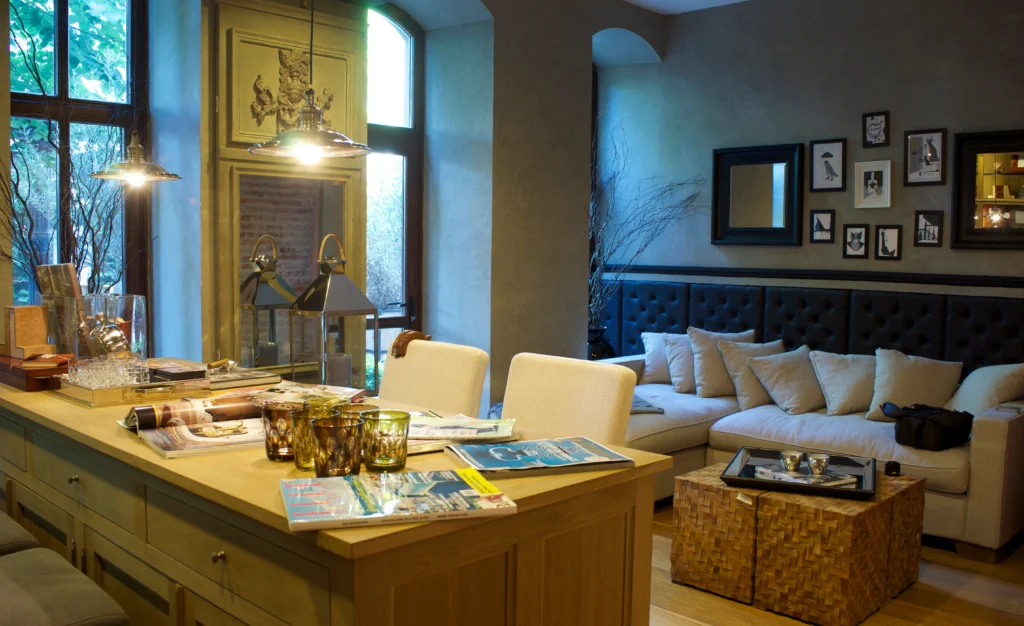
Introduction
Interior Design Services for apartments focus on transforming compact living spaces into functional, beautiful, and personalized environments. Unlike houses, apartments present unique challenges that require creative solutions. Limited square footage, fixed layouts, rental restrictions, and the need for multifunctional areas demand smart planning and innovative design strategies. Professional interior design services help maximize every inch of available space while enhancing comfort, style, and practicality. The goal is not just to make your apartment look attractive, but to create a well-organized home where every square foot serves a purpose and reflects your personality, lifestyle, and design preferences.
What is Interior Design?
Interior design is the process of enhancing a space’s interior to create a healthier, more functional, and aesthetically pleasing environment. For apartments, interior design goes far beyond simply choosing colors and arranging furniture. It involves comprehensive spatial planning, strategic lighting design, thoughtful material selection, and the creation of visual harmony within constrained layouts. A well-designed apartment maximizes usable space, improves quality of life, and demonstrates that small spaces can be just as stylish and functional as larger homes when designed with intention and creativity.
The core of apartment interior design rests on five fundamental elements. Space planning ensures that every room flows logically and maximizes usability, turning cramped corners into functional zones. Color schemes create the illusion of space and depth, influencing both the perceived size of rooms and the mood they evoke. Lighting design, which involves layering ambient, task, and accent lighting, transforms how a space feels and functions at different times of day. Furniture selection focuses on choosing pieces that are appropriately scaled for compact spaces while serving multiple purposes. Finally, material and texture selection through fabrics, wood, metal, and stone finishes add visual depth and personality to apartments.
Benefits of Apartment Interior Design
Investing in thoughtful apartment interior design delivers measurable and meaningful benefits that extend beyond aesthetics. The most obvious advantage is space utilization. When designed properly, apartments transform cramped corners and awkward niches into usable storage and living zones, making the space feel significantly larger than its actual square footage. A well-designed apartment also commands higher property value in the rental and real estate markets, attracting potential buyers and renters more quickly and often at premium prices. Beyond financial benefits, apartment interior design has profound psychological effects. Thoughtful design reduces visual clutter and creates a sense of calm and order, which directly impacts mental well-being and stress levels. Your apartment becomes a true reflection of your lifestyle, taste, and personality rather than a generic space. Finally, smart design planning prevents expensive renovation mistakes and impulse purchases of unnecessary items, making efficient use of your budget and ensuring every design decision has purpose and longevity.
Open-Concept Design for Modern Apartments
Open-concept design has become increasingly popular for apartments because it fundamentally changes how a small space feels. By removing unnecessary walls and barriers, natural light flows freely throughout the apartment, and the absence of physical divisions creates a sense of expanded space even when square footage hasn’t changed. This approach works beautifully for studio apartments and one-bedroom units where separating spaces with traditional walls would feel cramped and dark.
Implementing open-concept design doesn’t always require removing walls in rental situations; it often isn’t possible. Instead, designers use visual zoning techniques to create distinct areas within the same open space. Area rugs define different zones, floating shelving units serve as subtle room dividers, and changes in lighting between spaces suggest boundaries without physical walls. Consistent flooring materials and a cohesive color palette throughout the open space enhance continuity, while individual décor and furniture placement help distinguish the living, dining, and working areas. This approach maintains flexibility, allowing you to reconfigure spaces as your needs change.
Multifunctional Furniture: The Space-Saving Solution
In apartments where every square foot counts, multifunctional furniture isn’t a luxury; it’s a necessity. These pieces adapt to your daily needs while maintaining a clean, uncluttered aesthetic. A sofa bed seamlessly transitions from comfortable seating during the day to a sleeping surface at night, making it invaluable in studio apartments and guest rooms. Modern designs ensure that sofa beds look like regular sofas, so your living room doesn’t feel temporary or compromised.
Storage ottomans serve triple duty as footrests, extra seating, and hidden storage for blankets, cushions, and seasonal items. Extendable dining tables expand when hosting guests and contract to save space during daily use, allowing you to maintain a proper dining experience without dedicating excessive floor space to a large table. Wall-mounted desks fold up when not in use, creating dedicated workspace without consuming precious floor real estate. Beds with integrated drawers underneath maximize the underutilized space below, storing seasonal clothing, bedding, and other items that would otherwise require additional furniture. Storage beds eliminate the need for separate dressers and chests in bedrooms where space is already tight. The key to successfully using multifunctional furniture is prioritizing quality construction and ensuring that mechanisms work smoothly through repeated use. It’s also important that these pieces maintain aesthetic appeal; functionality shouldn’t mean sacrificing style. A well-chosen multifunctional piece becomes part of your design aesthetic while quietly solving your storage and space challenges.
Strategic Color and Lighting for Apartment Spaces
Color psychology plays a crucial role in how apartments feel and function. Light, neutral colors on walls whites, creams, soft grays, and light pastels create the visual impression of larger spaces while providing a versatile backdrop for personal style. These neutral base colors allow accent colors to shine without overwhelming compact rooms. Bold accent colors can be introduced through furniture, artwork, and décor rather than covering entire walls, maintaining flexibility if your taste changes.
The most effective color strategy for apartments pairs a light, neutral base with two or three carefully chosen accent colors that reflect your personality. A contemporary chic apartment might combine light gray walls with navy furniture and gold accents, while a warm and cozy space could feature cream walls, warm wood tones, and terracotta accessories. These combinations create mood and visual interest without the overwhelming effect that would result from colorful walls in a small space.
Smart Storage Solutions
Storage is perhaps the biggest challenge in apartment living, yet creative solutions exist for even the most space-constrained situations. Vertical storage strategies maximize wall space that would otherwise go unused. Floating shelves provide display and storage without consuming floor space or creating visual weight. Floor-to-ceiling shelving units transform bare walls into functional storage while drawing the eye upward, emphasizing ceiling height. Corner shelves utilize awkward spaces that are difficult to furnish otherwise.
Built-in solutions offer the most elegant storage but require planning and often landlord approval in rental situations. Custom wardrobes and closets, window seats with hidden storage, under-bed drawers, and overhead storage racks eliminate clutter while preserving the floor space that makes apartments feel spacious. In rental situations, creative furniture choices achieve similar effects. A bookcase serves double duty as a room divider and storage, while storage benches in entryways provide seating and hidden compartments for shoes and outerwear. Console tables with shelves behind sofas create storage without consuming additional space.
Biophilic Design: Connecting with Nature
Biophilic design, which incorporates natural elements to create a connection with nature, has become increasingly important in apartment interiors. Bringing nature indoors through plants, natural materials, and organic textures creates a calming, welcoming atmosphere while improving air quality and mental wellbeing. Indoor plants require minimal space yet deliver maximum benefits; they purify air, add visual interest, and create a sense of life and growth within apartments.
For apartments with varying light conditions, different plants thrive in different environments. Snake plants, pothos, and ZZ plants excel in low-light spaces, while rubber plants, fiddle leaf figs, and monstera plants prefer moderate to bright indirect light. Succulents, cacti, and string of pearls thrive in sunny locations. Creative placement amplifies their impact: hanging planters from ceilings, wall-mounted plant shelves, plant stands in corners, and windowsill displays all transform apartments into green spaces. A vertical garden wall creates dramatic impact and maximizes limited floor space. Beyond plants, natural materials and textures infuse apartments with organic warmth. Natural wood flooring and wooden furniture pieces create warmth and visual interest, while stone and ceramic elements add durability and textural variety. Natural fabrics organic cotton upholstery, linen curtains, jute rugs, and wool cushions feel better to live with and age beautifully. These natural elements work together to create apartments that feel connected to nature despite urban locations, providing stress relief and a sense of grounding in daily life.
Choosing Your Interior Design Style
Your apartment’s interior design style should reflect your personality while working within the apartment’s architectural constraints and your lifestyle needs. Modern minimalist design emphasizes clean lines, simple shapes, and neutral color palettes, making spaces feel larger and more open. This style prioritizes function over form, creating restful environments with minimal visual clutter. Scandinavian design shares minimalism’s light, bright aesthetic but adds warmth through natural materials, cozy textiles, and an emphasis on comfort. Industrial design celebrates raw materials like brick, steel, and concrete, incorporating exposed elements and vintage finds for visual interest and character.
Contemporary design takes current trends and modern aesthetics as inspiration, mixing materials, incorporating bold colors and statement pieces, and allowing for personalization within a modern framework. Bohemian design embraces eclecticism, color, and artistic expression, layering textiles, patterns, and global influences into spaces that feel collected and personal. Japanese or Zen design pursues simplicity and balance through minimalism, natural materials, and neutral color palettes, creating tranquil, meditative spaces. The best style for your apartment is one that resonates with you personally while working practically within your space constraints.
Essential Tips for Small Apartment Design
Successful small apartment design relies on several proven principles that maximize space perception and functionality. Floating furniture rather than pushing pieces against walls creates visual space and allows floor space to feel continuous and open. Hanging curtains close to ceilings creates the illusion of greater ceiling height, making rooms feel taller and more spacious. Transparent and reflective materials like glass, acrylic, and mirrors amplify light and create visual continuity without the weight of solid barriers.
Regular decluttering maintains the spacious feeling that good design creates. Even the most beautifully designed apartment feels cramped when cluttered, so designing storage solutions and maintaining organization is essential. Choosing quality over quantity fewer, better pieces that you love rather than filling every space with items elevates the entire home and prevents visual overwhelm. These principles, applied consistently, transform even the smallest apartments into spaces that feel open, organized, and beautifully designed.
Room-Specific Design Approaches
Living rooms in apartments benefit from a clear focal point, whether that’s a television, fireplace, or piece of artwork around which furniture arranges naturally. Floating furniture creates zones and improves traffic flow, while multiple lighting options and layered textures create comfort and visual interest. In bedrooms, a calm, soothing color palette promotes restful sleep, while quality lighting with dimmers ensures functionality without harshness. Blackout curtains or shades support sleep quality, and minimal décor maintains mental clarity and reduces stimulation before rest.
Kitchens in apartments require vertical storage strategies, clear countertop space, and efficient workflow between sink, stove, and refrigerator. Light cabinet colors and reflective backsplashes make kitchens feel larger, while open shelving displays plants and creates visual lightness. Bathrooms benefit from mirror placement that makes spaces feel larger, good ventilation, task lighting around mirrors, and creative storage solutions like over-toilet cabinets and wall-mounted shelves. Home offices require dedicated workspace with proper ergonomics, task lighting, and storage for supplies, either through wall-mounted desks that fold away or floating shelves that maintain vertical organization without consuming floor space.
Making Rental Apartments Feel Like Home
For renters, apartment interior design must work within the constraints of lease agreements that prohibit permanent changes. Removable solutions have become increasingly sophisticated: peel-and-stick wallpaper removes cleanly without damaging walls, removable wall decals add visual interest, and command strips hold artwork and décor without holes. Furniture pieces that move with you when you relocate freestanding shelving units, ladder bookcases, rolling storage carts, and modular furniture allow renters to create designed spaces despite temporary housing situations.
Portable window treatments like tension rod curtains and removable blinds replace built-in solutions, while area rugs define zones and add color without permanence. Before making any changes beyond standard décor, renters should carefully review lease agreements and get written landlord approval. When removal comes time, documentation of the original space condition and knowledge of removal requirements ensure smooth transitions and protection of security deposits. This approach allows renters to create personalized, well-designed spaces while respecting property owner requirements.
Budget-Friendly Interior Design Strategies
Transforming an apartment on a limited budget requires strategic prioritization rather than elimination of design principles. Essential pieces a comfortable bed, quality seating, proper lighting, storage solutions, and table/dining space deserve investment because they directly impact daily comfort and functionality. Nice-to-have items like artwork, decorative cushions, and plants can be added gradually as budget allows. This phased approach builds a well-designed apartment over time rather than furnishing everything at once with lower-quality pieces.
Smart shopping strategies further extend limited budgets. Online marketplaces, furniture store sales, second-hand markets, and clearance sections offer significant savings without sacrificing quality. DIY décor projects painting existing furniture, creating gallery walls, and arranging plants deliver high visual impact at minimal cost. Waiting for seasonal sales on larger pieces and building relationships with stores offering discounts extends purchasing power. These budget-conscious approaches don’t mean compromising on design quality; they simply mean being strategic about when and where you spend money, prioritizing items that have the greatest impact and longevity.
Avoiding Common Design Mistakes
Oversized furniture in small spaces creates cramped, imbalanced interiors. Always measure before purchasing and choose scale-appropriate pieces. Poor lighting that relies solely on ceiling fixtures leaves apartments feeling harsh and incomplete; layered lighting creates warmth and functionality. Color overload from too many bold colors creates visual chaos rather than interest; limiting to three main colors with strategic accents maintains coherence. Ignoring storage from the start allows clutter to accumulate; planning storage solutions upfront prevents this inevitable problem.
Blocking natural light with heavy curtains undermines apartment design; light-colored, sheer window treatments preserve brightness while maintaining privacy. Random furniture placement without a clear layout plan wastes space and looks unintentional; sketching layouts and defining zones creates logical, functional arrangements. Overcrowding with accessories contradicts the spacious feeling good design creates; restraint and embracing empty space follows the principle that less is more. Mismatched design styles create visual discord; choosing a primary style and adding complementary elements carefully maintains coherence. Ignoring vertical space by only utilizing floors and walls misses crucial storage and visual opportunities; wall-mounted shelves, tall bookcases, and hanging storage maximize dimension. These common mistakes are easily avoided through upfront planning and strategic decision-making.
Timeline and Project Planning
The timeline for apartment interior design varies dramatically based on project scope. A quick refresh of a single room through paint, new furniture in one area, lighting changes, and décor updates typically takes two to three weeks. This approach works well for renters or those wanting immediate change within a limited budget. Moderate renovations spanning multiple rooms, flooring changes, built-in installations, comprehensive storage solutions, and lighting upgrades require four to eight weeks, including time for professional installations and customizations.
Complete apartment redesigns requiring full transformation, structural changes, new flooring throughout, custom built-ins, and major renovations extend to eight to twelve weeks or longer, particularly when coordinating multiple contractors and managing complex projects. Understanding realistic timelines prevents frustration and allows proper planning. Phasing projects over time, addressing essential functionality first, then aesthetic upgrades, then fine-tuning, makes larger projects more manageable and allows budget distribution across time.
Working with Professional Interior Designers
While many apartment design projects are manageable independently, professional interior designers bring specialized expertise that justifies their cost for comprehensive projects. They understand space planning principles that maximize functionality, know current design trends and how to apply them appropriately, and possess knowledge of proportions and scale that takes years to develop. Professional designers coordinate with vendors, manage timelines, solve unexpected problems, and deliver cohesive results that align with your vision and budget. For structural changes, custom built-ins, and complete apartment transformations, professional guidance prevents expensive mistakes and delivers results that amateur attempts might not achieve.
For smaller projects, painting walls, basic décor updates, and simple furniture arrangement, DIY approaches work perfectly well. More complex tasks like space planning for comprehensive redesigns, structural changes, built-in installations, and complete apartment design benefit from professional expertise. Ultimately, the decision depends on your comfort level, budget, and the complexity of your specific project. Many designers offer initial consultations to discuss your vision, which helps determine whether professional involvement makes sense for your situation.
Ready to transform your apartment into a stylish, functional, and comfortable living space?
Let Keshav Interior bring your vision to life with smart space planning, modern designs, and personalized interior solutions. Contact us today for a free consultation and create a home you'll love every day!
Click HereLatest Design Trends
Current apartment interior design trends reflect evolving values and lifestyles. Sustainable and eco-friendly design using recycled materials, sustainable wood, non-toxic paints, and eco-friendly fabrics appeals to environmentally conscious apartment dwellers. Maximalism with intention celebrates curated collections and statement pieces rather than the minimalism that dominated recent years, though it maintains selectivity and personal curation rather than cluttered accumulation. Warm modernism combines modern aesthetics with warm neutral tones, natural materials, and comfort-focused design, rejecting the cold feel of minimalism in favor of inviting, livable spaces.
Flexible and adaptable spaces accommodating remote work, multifunctional furniture, and modular designs reflect how people actually live in apartments today. Global and cultural influences through artisanal pieces, cultural collections, and international materials create diverse, personal spaces that celebrate heritage and global inspiration. These trends suggest that future apartment design balances functionality with personality, sustainability with style, and minimalism’s efficiency with maximalism’s joy.
Conclusion
Interior design for apartments succeeds when it combines practical solutions with aesthetic appeal, creating spaces that work beautifully for how you actually live. The journey from a generic apartment to a thoughtfully designed home happens through understanding fundamental design principles, making strategic choices about color and lighting, solving storage challenges creatively, and maintaining focus on what matters most to you. You don’t need an unlimited budget or renovation experience to create a well-designed apartment. You need planning, strategic choices, and commitment to making your space reflect your personality and support your lifestyle. Start by assessing your apartment’s unique characteristics and how you spend time in it. Define your personal design style and choose a primary aesthetic direction. Prioritize essential pieces and functionality before decorative elements. Commit to regular organization and maintenance that preserves the spacious feeling good design creates. Build your apartment gradually, adding pieces and making changes as opportunity and budget allow. The result will be a space you genuinely love coming home to one that functions efficiently, feels spacious despite its size, and authentically reflects who you are.
FAQs
Interior design helps maximize available space, improve functionality, enhance aesthetics, and create a comfortable living environment tailored to your lifestyle.
Open-concept layouts, multifunctional furniture, smart storage solutions, light color palettes, and strategic lighting are among the most effective design ideas for small apartments.
Use light wall colors, mirrors, layered lighting, floating furniture, and vertical storage solutions to create the illusion of a larger space.
Multifunctional furniture such as sofa beds, storage ottomans, extendable dining tables, and beds with built-in storage are ideal for maximizing space.
Renters can use peel-and-stick wallpaper, removable wall décor, area rugs, modular furniture, and temporary storage solutions to customize their space.
Popular apartment styles include Modern Minimalist, Scandinavian, Contemporary, Industrial, Bohemian, and Japandi designs. The best choice depends on your lifestyle and personal preferences.