
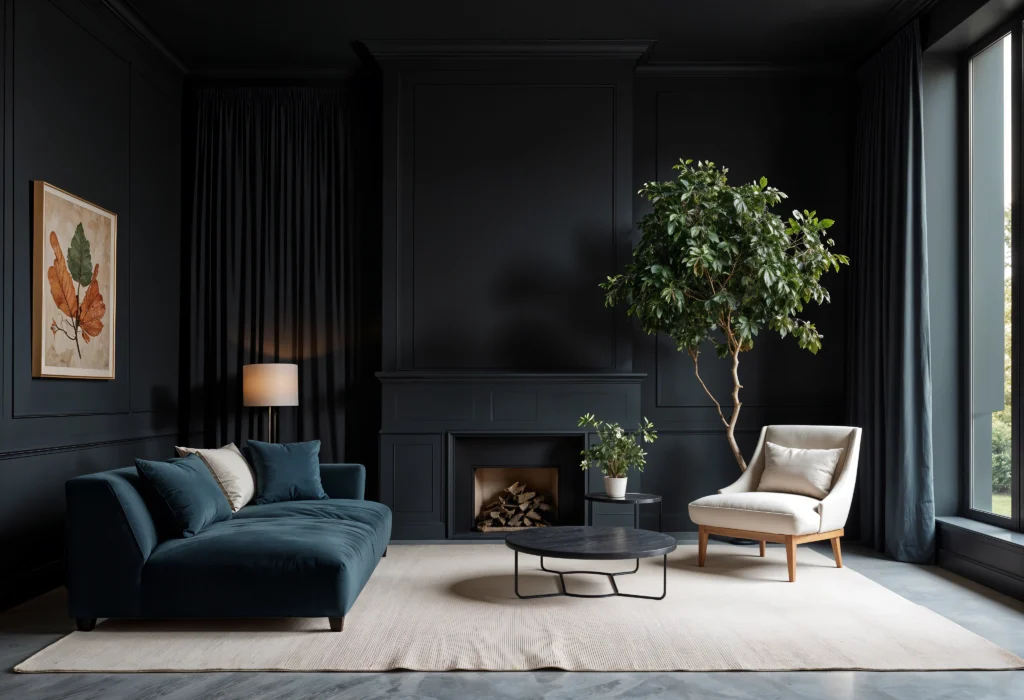
A well-designed interior is more than attractive furniture, beautiful colors, and stylish décor. It is about creating a space that feels comfortable, functions efficiently, and reflects the personality and lifestyle of the people using it. Whether you are designing a new home, renovating an apartment, or upgrading a commercial space, choosing the best interior designer in Ahmedabad can help transform available space into an environment that balances beauty with everyday practicality. A professional interior design service considers space planning, lighting, furniture placement, storage, materials, colors, ventilation, and movement to create interiors that work better for their users.
How Does Interior Design Improve Comfort?
Comfort is one of the most important goals of interior design. An attractive room may still feel inconvenient if furniture placement, lighting, ventilation, or available space is poorly planned.
An experienced interior designer in Ahmedabad evaluates the requirements of occupants before planning the layout.
1. Better Furniture Placement
Furniture should support natural movement rather than creating obstacles. Proper placement keeps pathways clear while making seating, storage, and frequently used areas easily accessible.
For example, in a living room, the relationship between seating, tables, entertainment units, windows, and entry points can significantly influence everyday comfort.
2. Improved Lighting
Interior lighting typically combines three layers:
- Ambient lighting for general illumination
- Task lighting for activities such as cooking, reading, or working
- Accent lighting for highlighting artwork, textures, or architectural details
Natural daylight should also be considered wherever possible. Thoughtful lighting planning can improve visibility, atmosphere, and usability throughout the day.
3. Ergonomic Planning
Ergonomics is particularly important in kitchens, offices, study areas, and frequently used living spaces. Correct counter heights, comfortable seating, accessible storage, and appropriate working distances can make daily activities easier and more convenient.
How Does Interior Design Improve Functionality?
Functionality means making every part of a space useful for its intended purpose.
A professional interior design service starts by understanding who will use the space, what activities will happen there, and what storage or accessibility requirements need to be addressed.
Smart Space Planning
Space planning determines how different areas relate to one another.
For smaller homes and apartments, designers may use:
- Built-in storage
- Multifunctional furniture
- Vertical storage
- Sliding partitions
- Customized cabinetry
- Space-saving layouts
These solutions can increase usability without unnecessarily overcrowding the interior.
Better Storage Solutions
How Does Interior Design Enhance Style?
Style gives a space its visual identity. However, successful interior design does not simply follow trends. Professional designers coordinate colors, textures, materials, furniture, lighting, finishes, and decorative elements to create visual consistency. Popular approaches may include contemporary, modern, minimalist, traditional, luxury, or combinations tailored to individual preferences.
Working with the best interior designer in Gujarat can also help homeowners incorporate local preferences, climate considerations, available materials, and modern design requirements into a cohesive interior.
Benefits of Professional Interior Design
Most importantly, professional planning connects functionality and aesthetics instead of treating them as separate priorities.
A professional interior design approach provides several practical benefits:
- Better utilization of available space
- Improved comfort and accessibility
- Organized storage solutions
- Consistent colors and materials
- Better lighting planning
- Functional furniture layouts
- Reduced chances of costly planning mistakes
- Improved visual appeal
- Greater personalization
Interior Design Applications
Interior design can improve many types of residential and commercial environments.
Space | Main Design Priority | Potential Benefit |
Living Room | Layout and lighting | Better comfort and social interaction |
Bedroom | Storage and ambience | Organized and relaxing environment |
Kitchen | Workflow and storage | More efficient everyday use |
Office | Ergonomics and layout | Improved workplace functionality |
Retail Space | Customer flow and displays | Better shopping experience |
Restaurant | Seating and ambience | Improved customer experience |
How Does the Interior Design Process Work?
A structured interior design service generally follows several stages.
1. Requirement Analysis
The designer understands the client’s lifestyle, preferences, space requirements, priorities, and approximate budget.
2. Space Planning
Room layouts, circulation areas, furniture positions, storage requirements, and functional zones are planned.
3. Design Development
Colors, materials, finishes, furniture concepts, lighting, ceiling treatments, and other design elements are selected.
4. Visualization and Approval
Depending on the project, drawings, layouts, mood boards, or 3D visualizations may help clients understand the proposed design before execution.
5. Execution and Coordination
Approved concepts are translated into the physical space through coordination between contractors, carpenters, electricians, painters, vendors, and other professionals.
6. Final Finishing
Furniture, lighting, accessories, décor, and finishing details complete the interior.
How to Choose the Best Interior Designer in Ahmedabad
Choosing a designer should involve more than looking at attractive portfolio photographs.
Consider:
- Experience with similar projects
- Quality and diversity of completed work
- Space-planning capabilities
- Understanding of materials and finishes
- Budget transparency
- Communication process
- Customization options
- Project execution capabilities
- After-project support
Before finalizing a designer, clearly discuss the project scope, expected deliverables, estimated costs, timelines, material specifications, and revision process.
Interior Design Cost and Long-Term Value
Interior design costs vary depending on property size, project scope, material selection, furniture requirements, customization, labor, and design complexity. Rather than evaluating a project only by its initial price, consider long-term value. Durable materials, efficient storage, practical layouts, appropriate lighting, and maintainable finishes may reduce unnecessary replacements and modifications later.
Interior Design Trends to Consider
Current interiors increasingly focus on practical design rather than decoration alone. Common approaches include multifunctional spaces, modular storage, natural materials, energy-efficient lighting, integrated technology, and flexible furniture. However, trends should complement long-term usability. A successful design should continue working effectively even after a particular visual trend changes.
Transform Your Space with Keshav Interior
Interior Maintenance Tips
Good interior design should also be easy to maintain. Choose materials according to actual usage conditions, clean surfaces using manufacturer-recommended methods, inspect furniture hardware periodically, maintain adequate ventilation, and address moisture or electrical issues promptly. For high-use areas such as kitchens and commercial interiors, durability and ease of cleaning should be considered during material selection itself.
Why Choose Professional Interior Design?
Professional interior design brings together planning, technical understanding, creativity, and execution. Instead of making isolated decisions about furniture, lighting, colors, storage, and décor, a designer considers how these elements interact as a complete system. For homeowners and businesses searching for the best interior designer in Gujarat, the right professional can help create a space that balances personal style, available budget, practical requirements, and long-term usability.
Conclusion
Interior design has a direct impact on how comfortably and efficiently people use a space. Thoughtful layouts improve movement, smart storage reduces clutter, suitable lighting supports everyday activities, and coordinated materials create a consistent visual experience. With a professional interior design service, homeowners and businesses can create spaces that are not only visually appealing but also practical and comfortable. Keshav Interior focuses on developing interior solutions around individual space requirements, functionality, aesthetics, and client preferences.
An interior design service can include space planning, furniture layouts, material and color selection, lighting, storage planning, design visualization, and project execution support.
To select the best interior designer in Ahmedabad, review relevant projects, design capabilities, material knowledge, pricing transparency, customization options, execution process, and client communication.
A professional designer can help improve space utilization, functionality, comfort, storage, visual consistency, and coordination during project execution.
Costs depend on the size of the property, materials, furniture, customization, labor, project scope, and complexity. A detailed consultation is the best way to establish a realistic project budget.
When selecting the best interior designer in Gujarat, consider experience, portfolio quality, customization capabilities, budget transparency, project management, material selection, and post-project support.