
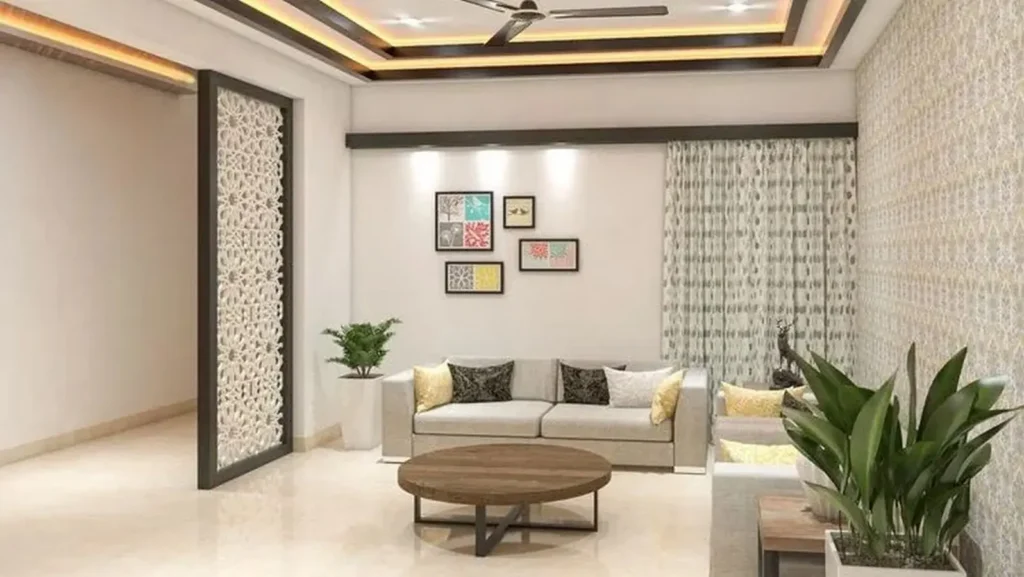
Best Interior Designer in Jabalpur: A Complete Guide (2026)
If you’re looking for the best interior designer in Jabalpur, here’s the short version: look for a studio that combines an in-house design-and-execution team, transparent pricing, and real turnkey delivery – not just a directory listing or a catalogue of furniture. Keshav Interior works on residential and commercial interior projects across Jabalpur and other major Indian cities, handling concept, materials, and execution as one continuous process rather than separate vendors stitched together.
This guide covers what actually matters when hiring an interior designer or interior decorator in Jabalpur, how residential and commercial projects differ here, what pricing typically depends on, and a simple checklist before you sign with anyone.
What to Look For in an Interior Designer in Jabalpur
Jabalpur’s interior design market ranges from solo decorators and furniture showrooms to directory-listed contractors and full-service studios. Before shortlisting anyone, check for:
- A portfolio with real residential and commercial work, not just product photos borrowed from a catalogue.
- Transparent, itemised costing – a single lump-sum figure without a material breakdown is a red flag.
- On-ground execution support, not just a design file handed over at the end.
- Clear communication on material quality, especially for kitchens, wardrobes, and flooring, where cheaper substitutes are easy to slip in unnoticed.
At Keshav Interior, every project moves through concept development, material and colour consultation, and execution together, so nothing gets lost between the design stage and the site.
Jabalpur's Marble Heritage and What It Means for Interior Design
Jabalpur sits along the Narmada river, close to the famous white marble cliffs of Bhedaghat – one of the reasons the region has a long-standing connection to marble and natural stone work. This local material heritage is a genuine advantage for homeowners: good-quality marble and stone flooring, countertops, and cladding are often easier to source and more cost-effective here than in cities without a local supply chain.
A designer who understands this can make smarter material recommendations – knowing when local marble or stone genuinely elevates a space versus when a different material (like engineered quartz or laminate) is the more practical choice for a busy kitchen or high-traffic area.
Popular Interior Design Styles for Jabalpur Homes
A few styles consistently work well for Jabalpur homes and commercial spaces:
- Marble-accented classic – light marble or stone flooring paired with warm wood furniture and neutral walls, using the region’s material strength without overdoing it on every surface.
- Modern minimal – clean lines, muted colour palettes, and functional storage, well suited to smaller apartments where every square foot needs to work hard.
- Warm contemporary – a neutral base layered with wood tones, soft lighting, and a few statement pieces, popular for living rooms and dining spaces that need to feel both current and comfortable.
None of these need to be followed strictly. Most homeowners get the best results by picking one as a base and layering in personal touches – family furniture, artwork, or a favourite colour — rather than copying a style exactly from a catalogue or reference photo.
Residential Interior Design in Jabalpur
Most homeowners in Jabalpur fall into a few categories: new apartment owners fitting out a bare shell, families renovating an older independent house, and owners upgrading a specific space like the kitchen or living room. Layout needs also vary by home size – a compact 1 BHK needs different storage and space-planning solutions than a larger 3 BHK or an independent house with a garden or terrace.
For residential interiors in Jabalpur, the process usually starts with space planning, followed by modular kitchen design, wardrobes, flooring, and lighting – with material choices, including local marble and stone where it makes sense, planned in from the start rather than added as an afterthought.
Commercial Interior Design in Jabalpur
Jabalpur’s commercial demand spans offices, retail showrooms, restaurants, clinics, and educational institutes, alongside standard corporate spaces. A commercial interior here has to do more than look good in photos – it needs to hold up to daily footfall, be easy to maintain, and reflect the brand or business it represents, whether that’s a retail showroom aiming for a premium feel or an office built for everyday productivity.
Good commercial design in Jabalpur also benefits from the same local material advantage as residential projects – durable stone and marble finishes for reception areas, flooring, and counters that would cost significantly more to source in many other cities.
How Much Does an Interior Designer in Jabalpur Charge?
Pricing generally falls into a few tiers: budget-friendly interiors using standard laminates and modest fittings, mid-range packages with better hardware and some custom furniture, and premium turnkey packages using higher-grade materials, including natural stone or marble finishes. Carpet area, material grade, and the amount of custom furniture involved all affect the final number. Rather than relying on an average pulled from another city, a reliable studio will offer a detailed, itemised quote after a site visit, so you know exactly what’s included before work starts.
How to Choose the Right Interior Designer in Jabalpur: A Quick Checklist
- Shortlist 3-4 designers based on portfolio, not just directory ratings.
- Ask for a written, itemised estimate rather than a verbal ballpark.
- Confirm material sourcing – ask specifically about local stone or marble options if that interests you.
- Visit an ongoing or completed project if the designer can arrange it.
- Get a signed contract with clear timelines and payment milestones before work begins.
Why Homeowners and Businesses Choose Keshav Interior
Keshav Interior brings an in-house design-and-execution team to residential and commercial projects across Jabalpur and other major Indian cities, covering material selection, modular kitchens, furniture, and lighting under one process instead of multiple disconnected vendors. From initial concept through to final handover, clients get one accountable point of contact managing the entire project, rather than juggling a separate contractor, decorator, and material supplier on their own.
This single-point accountability matters most when a project involves more than one specialist skill – for instance, combining modular kitchen work with natural stone flooring – since coordinating those trades separately is usually where timelines slip and costs creep upward.
Final Thoughts
Whether you’re fitting out a new apartment, renovating an older home, or setting up a commercial space in Jabalpur, the right interior designer should be upfront about cost, realistic about timelines, and genuinely knowledgeable about local materials – not just able to show you a nice-looking catalogue.
If you’d like a no-obligation consultation for your home or commercial space in Jabalpur, call Keshav Interior directly at +91-9664366778, and the team will walk you through a design and cost plan suited to your project.
FAQs
There’s no single “right” amount – it depends on your city, project scope, and material choices. What matters more is transparency: a good designer breaks costs down by material, labour, and execution, so you can compare full scope instead of one vague lump-sum figure against another.
Yes. Most interior designers, including studios that handle full-home projects, are happy to take on a single space like a kitchen, living room, or bedroom. It’s often a practical way to test how a designer works before committing to a larger project, and it still benefits from proper space planning and material selection.
There’s no single universal color, but designers consistently point to warm neutrals (soft white, cream, greige) and deep, moody tones (charcoal, navy, dark green) as choices that read as expensive when used consistently across a space. What matters more than the exact shade is using one cohesive palette throughout, rather than mixing too many unrelated colors.
The 70/30 rule is a balance guideline: roughly 70% of a room’s colour, texture, and furniture should follow one dominant, neutral scheme, while the remaining 30% is used for accent colours, patterns, or statement pieces. This keeps a room feeling cohesive without looking flat or overly busy.
This usually refers to the 7 core elements of interior design – space, line, form, light, colour, texture, and pattern – rather than fixed style categories. Every interior, whether modern, traditional, or classic, is built by balancing these seven fundamentals.
The “golden rule” most often refers to the Golden Ratio (roughly 1:1.618), a proportion principle borrowed from art and architecture. In practice, it’s usually simplified into guidelines like dividing a room roughly two-thirds to one-third for furniture groupings, or sizing a coffee table at about two-thirds the length of the sofa – a simple way to keep proportions feeling naturally balanced.